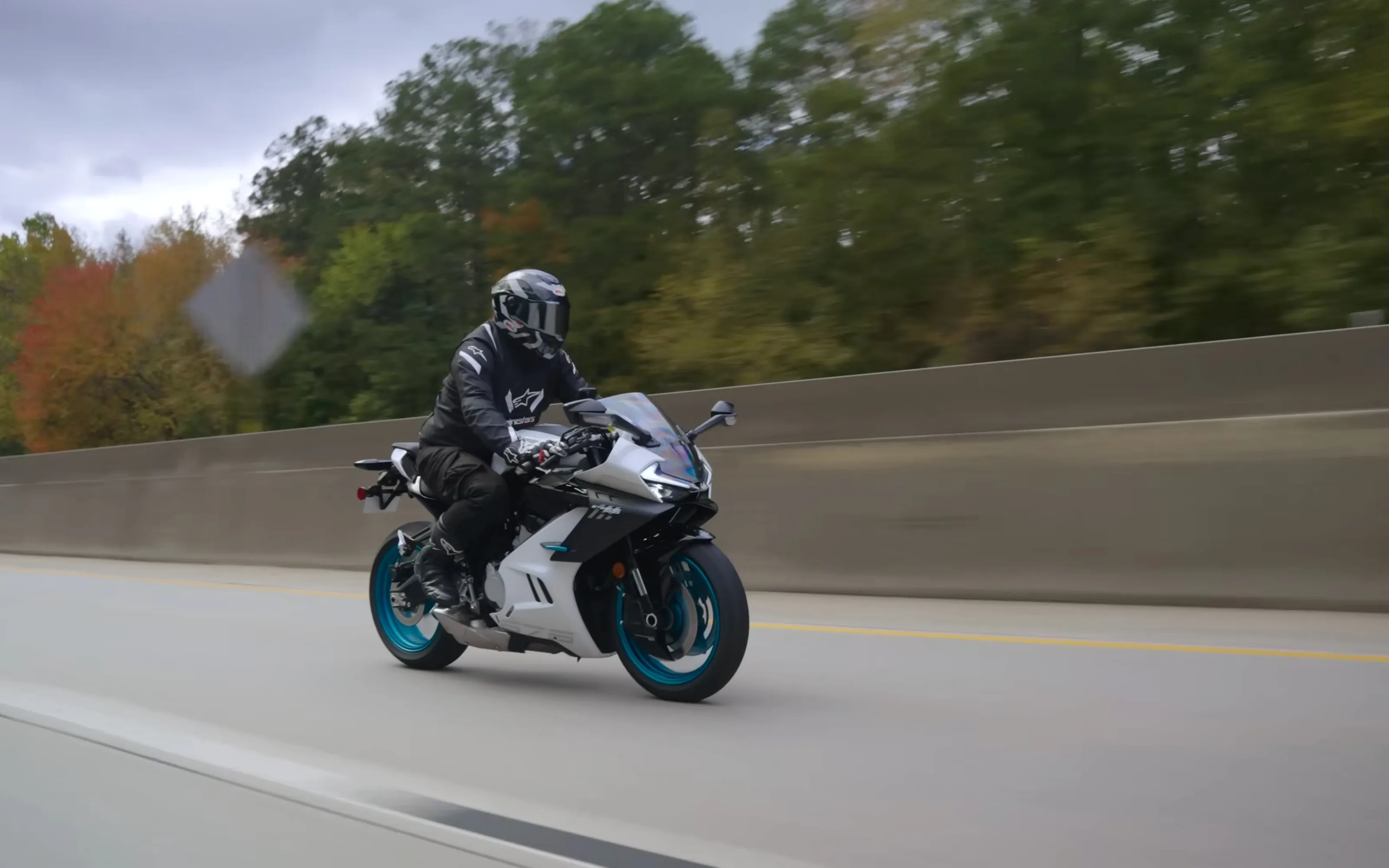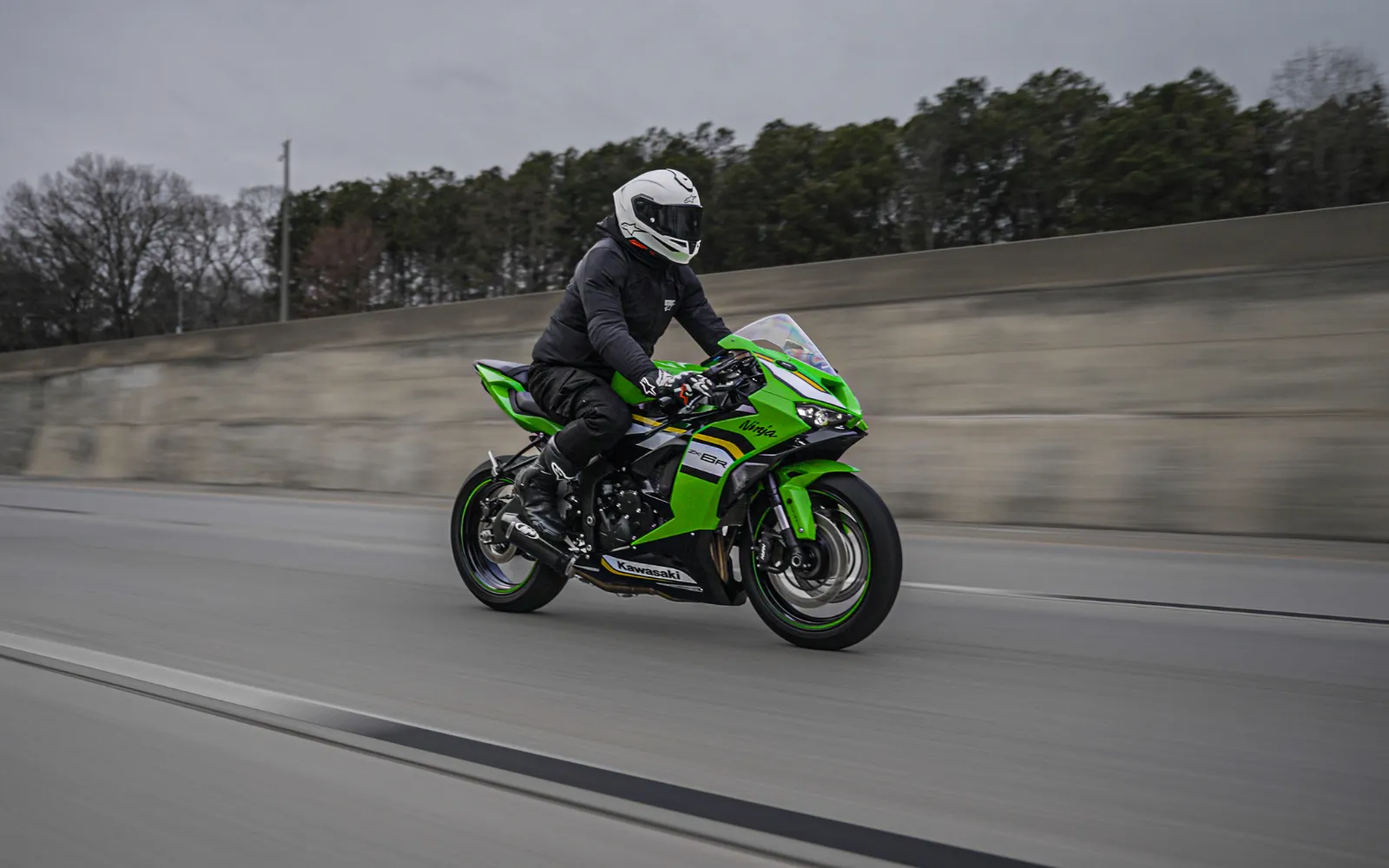
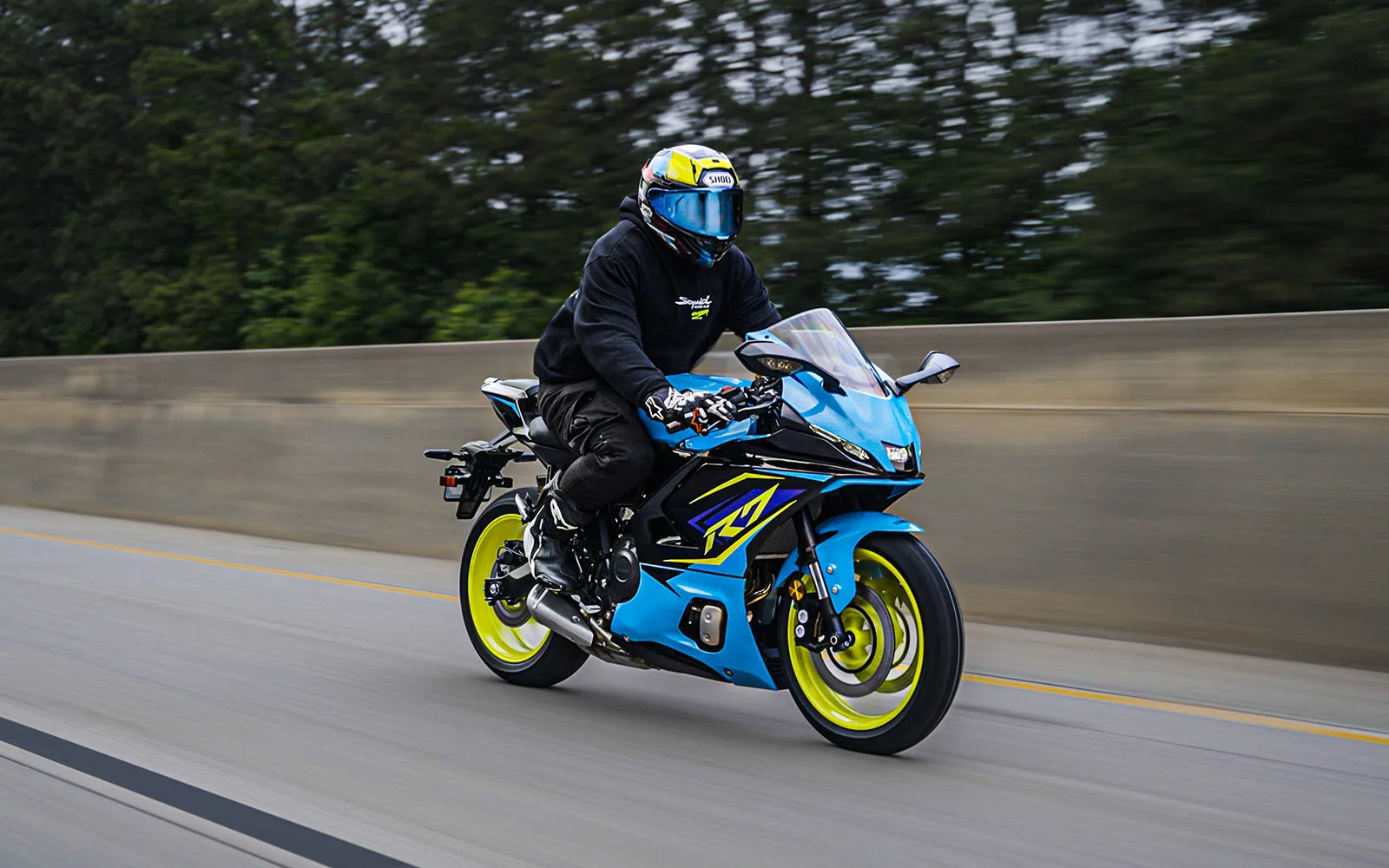
2026 Yamaha R7
Yamaha reached into the R1 parts bin and built the R7 they should have built the first time. At $9,399.
The Good
- R1-derived six-axis IMU on a sub-$10k bike is unprecedented
- 417 lb wet makes it the easiest middleweight to flick around city or canyon
- Bidirectional quick shifter and cruise control standard at this price
The Bad
- CP2 lacks top-end pull of a true 600cc supersport
- Brakes have great initial feel but don't bite harder as you squeeze
- Aggressive body position punishes anything longer than a canyon day
The middleweight that finally got the family inheritance
Middleweight sport bikes are the fourth child in motorcycle families. The parents are tired, the older siblings already got the new gear, and by the time the middleweight rolls off the line it's wearing hand-me-down everything. The R7's first two model years were exactly that.
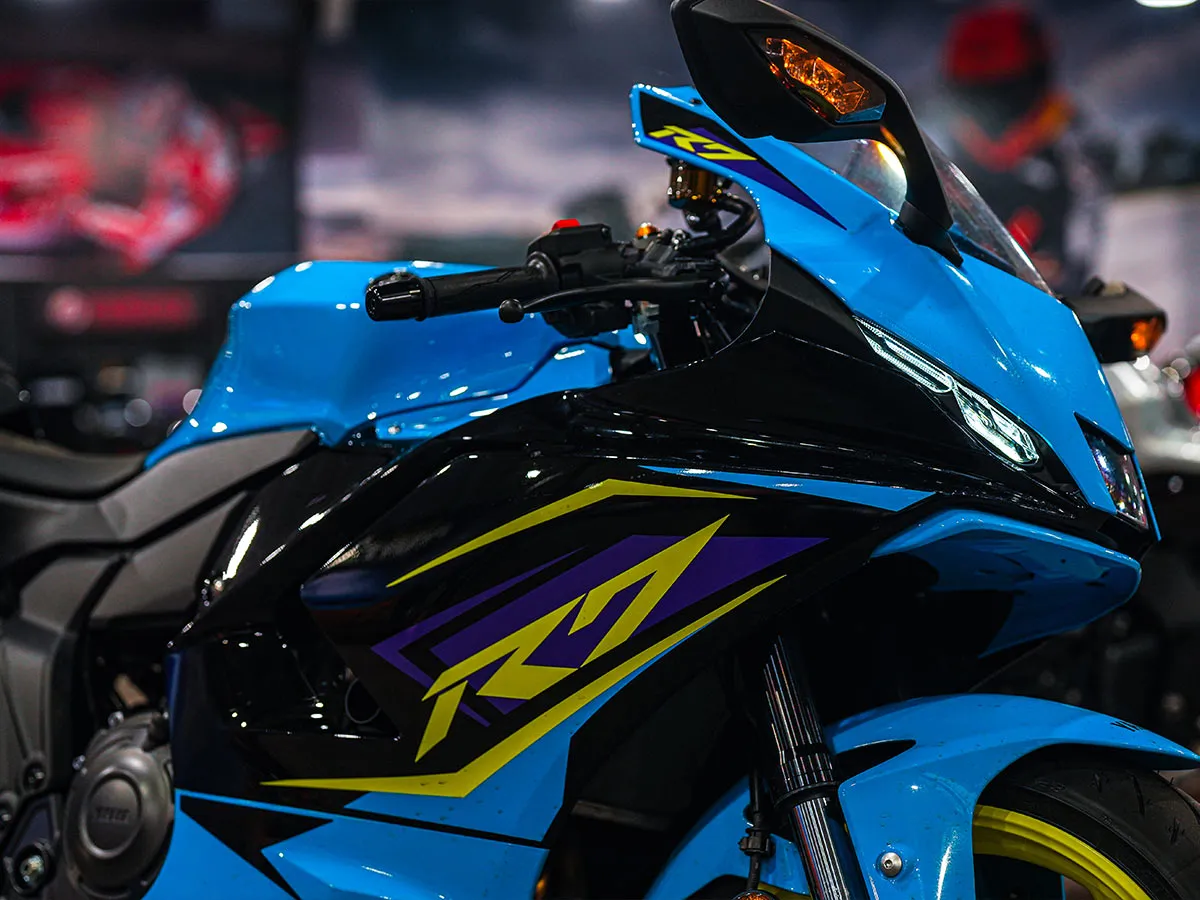
Then Yamaha lost their minds. They reached into the R1 parts bin, pulled out the six-axis IMU, and bolted it into a $9,399 motorcycle. They added a Brembo master cylinder, fully adjustable 41mm KYB forks, a bidirectional quick shifter, cruise control, a speed limiter, and a new 5-inch TFT dash that looks like it belongs on a bike twice the price.
Here's the thing. This isn't an R7 refresh. It's the bike the original always should have been.
Performance highlights
The 689cc CP2 parallel twin is one of the best engines Yamaha makes, and it shouldn't surprise anyone that it works here. It pulls hard from low in the rev range. The 40-to-80 run came in at 4.24 seconds in second gear, which is genuinely quick for a sub-$10k bike that's still wearing its delivery plastic. The note that matters: the CP2 hits its peak early and gracefully tapers off. There's no top-end fireworks. You won't find them, and on a bike like this, you don't need them.
The throttle is the quiet hero of the whole package. There's almost no play in it, and ride-by-wire means you can feed in the first ten percent without the bike snatching. Rain mode is properly usable, with softer pickup and full power still on tap, which is the first time I've said that about a sport-bike rain mode in a long while.
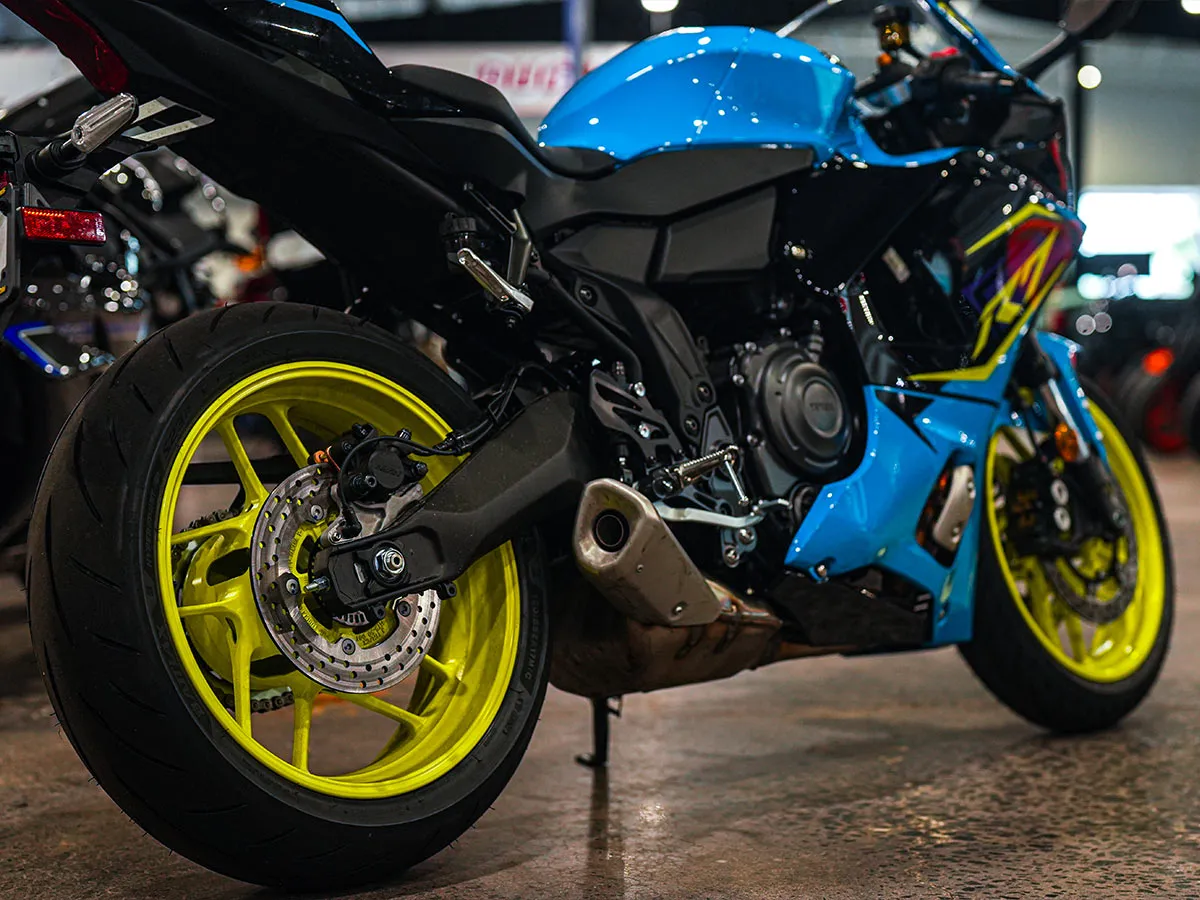
At 417 lb wet, this is the thinnest motorcycle Yamaha makes, and you feel it the moment you start moving the bars. The bike disappears underneath you. Flicking it into a corner takes nothing. Stand-up city riding takes nothing. It moves like Yamaha shaved metal off until they hit "effortless."
The KYB 41mm forks are fully adjustable and dial in so cleanly that you forget you're on a $9,399 motorcycle. The R9's 43mm fork is still the better platform, but the gap is smaller than the price gap suggests.
Brakes are where the bike admits it has a budget. The Brembo master cylinder gives you brilliant initial feel: one-finger control, easy to modulate, easy to live with. Then you ask for more and the lever doesn't lay on the anchors quite as hard as you want. It's an honest limitation, and it matches the engine's character. Bright start, soft top end. They feel like a matched pair.
Closer Look
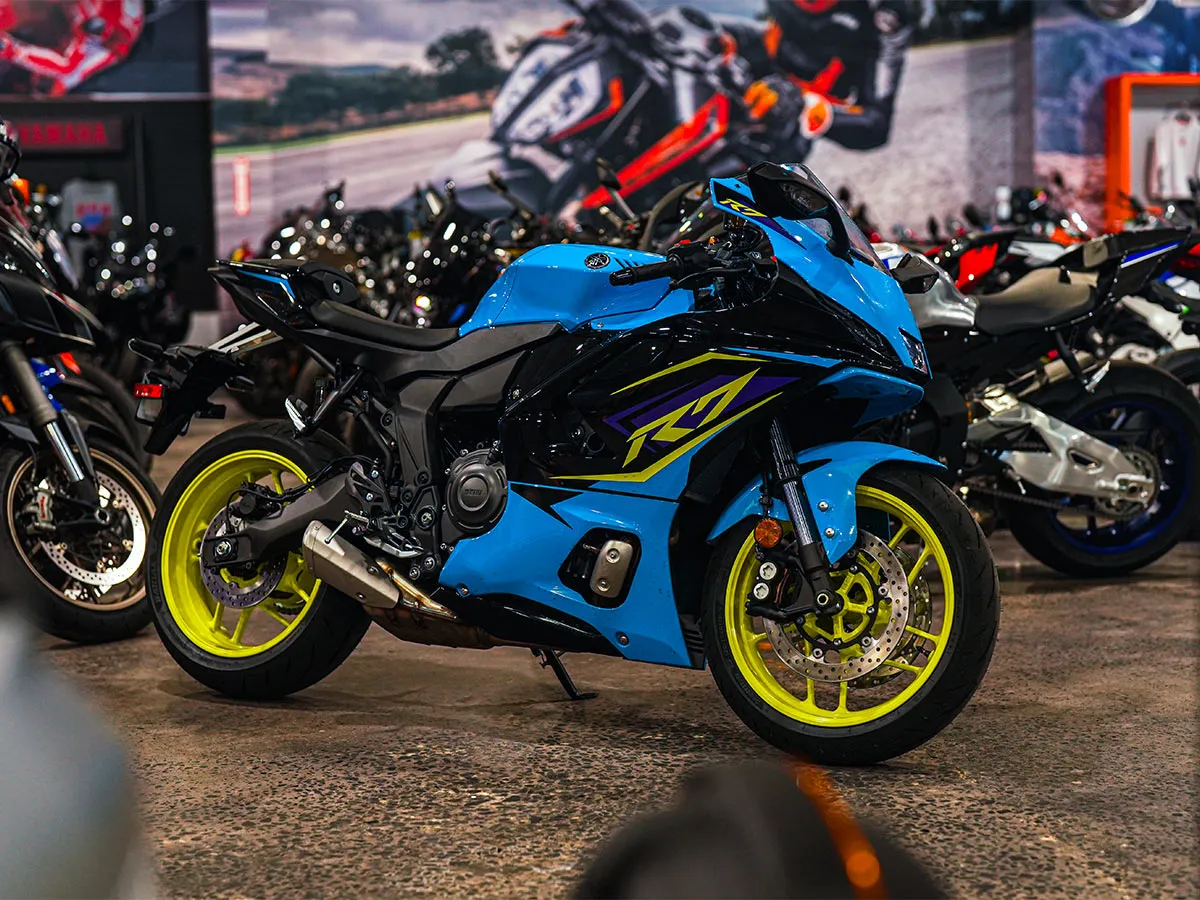
Swipe to explore.
This isn't an R7 refresh. It's the bike the original always should have been.
Rider experience and tech
The body position is exactly what the rest of the bike's character demands. Legs bent hard, upper body folded over the tank, wrists loaded. It's a real sport-bike riding position. I'm 5'10" with a 32-inch inseam and my knees are tucked up genuinely high. Comfort is not why you buy this motorcycle. Spend more than two hours on it without a canyon road to throw it into and you'll feel every minute.
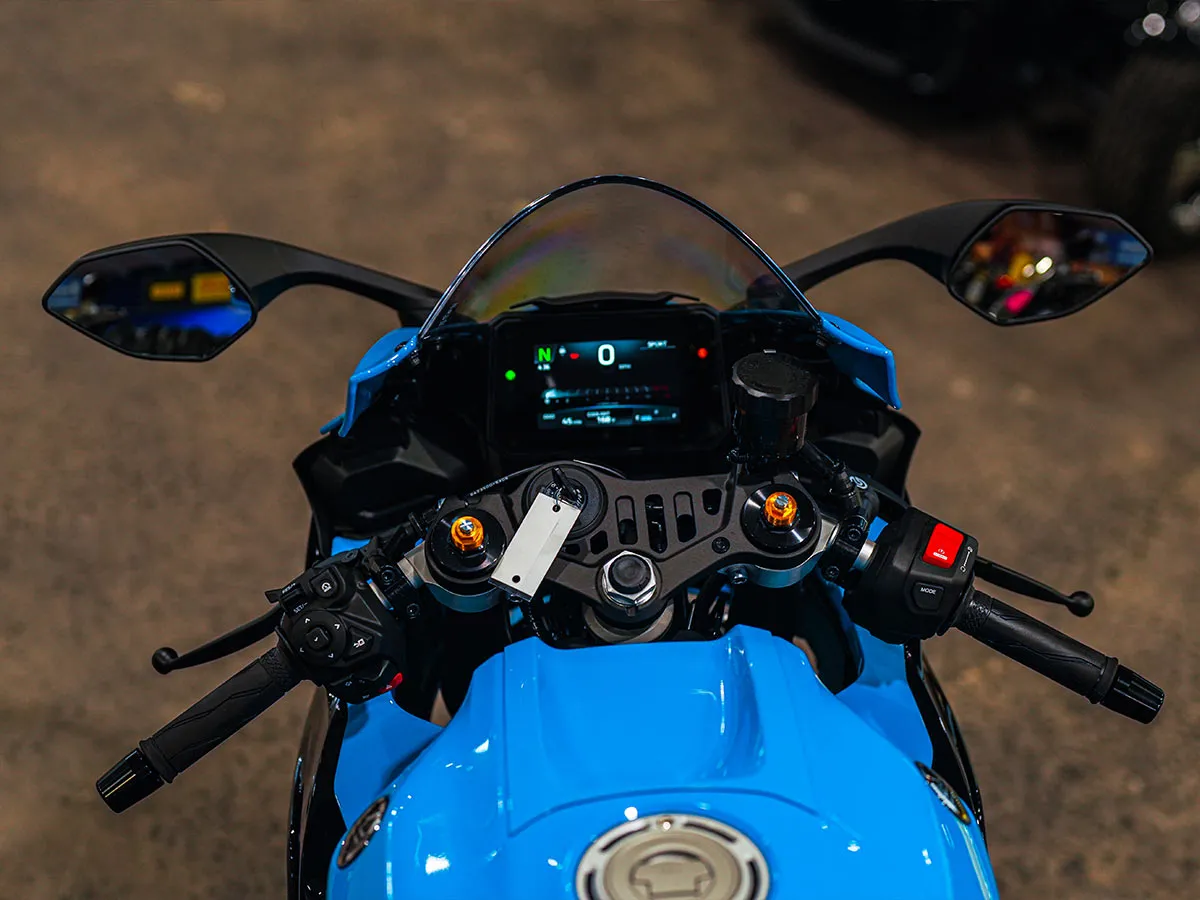
What you don't expect at this price is the tech. R1-derived six-axis IMU. Cornering ABS. Wheelie, slide, and traction control. Bidirectional quick shifter that clicks like it's been ridden ten thousand miles. Cruise control on a sport bike, yes, on a sport bike, plus a speed limiter for track days. The new 5-inch TFT has four customizable themes and reads cleanly in direct sun. This is the same tech package the R9 wears, and the R9 costs three grand more.
The cockpit layout is brand new and mostly excellent. Mode button under the right thumb, cruise and D-pad on the left, blacked-out adjustable levers that punch above their price. The new toggle turn signal is auto-canceling but a pain to find by feel. You'll learn it. You shouldn't have to.
The Chase Score and final thoughts
With a Chase Score of 73/100, Good Tier, the R7 punches a long way above its weight. 38 ride points plus 35 usability points equals a sport bike that has no business including this much hardware at $9,399.
Buy it if you're new to sport bikes and want something you can grow into. You'll spend three years finding the bottom of it. Buy it if you owned the old R7 and wondered why it felt unfinished. The answer is, it was, and this isn't. Skip it if you need a true 600cc supersport's top-end pull, or a bike you can commute on without paying for it the next day. The R7 is the bike Yamaha should have built the first time. They've built it now.
The Chase Score Breakdown
Technical Specs
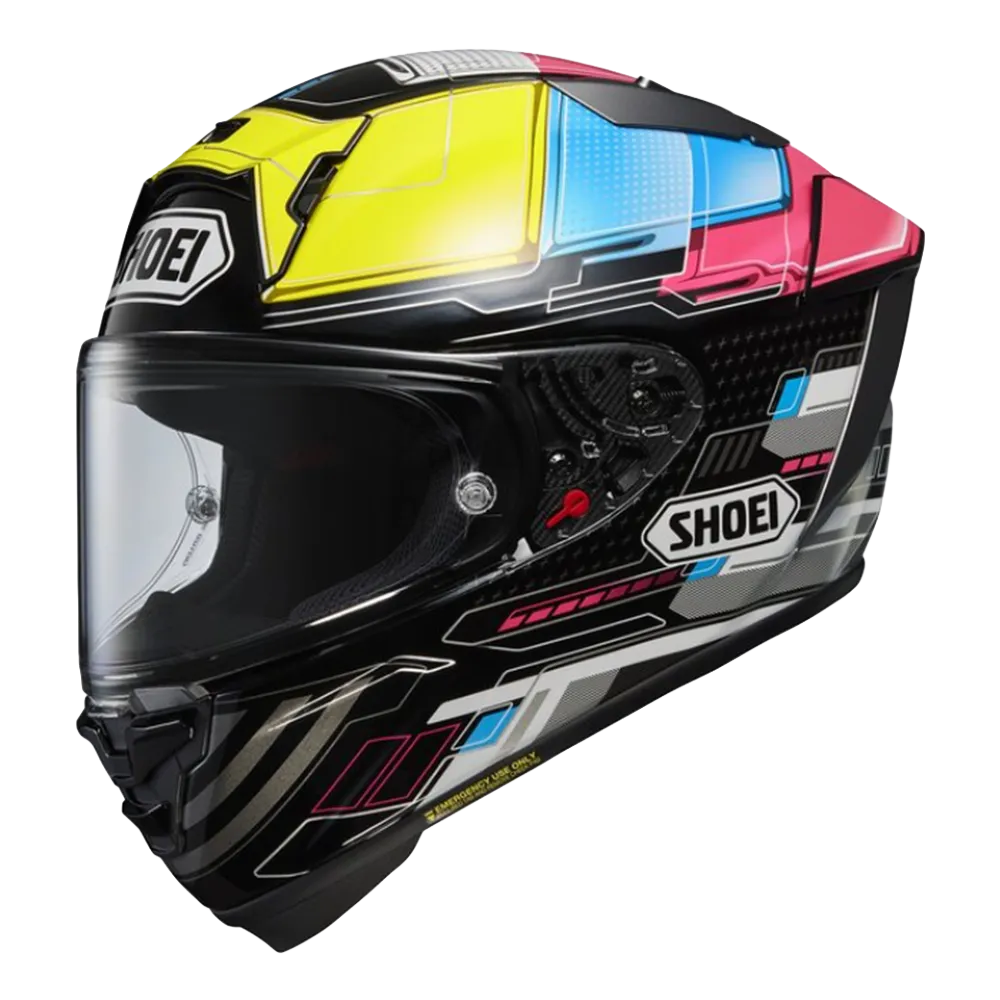
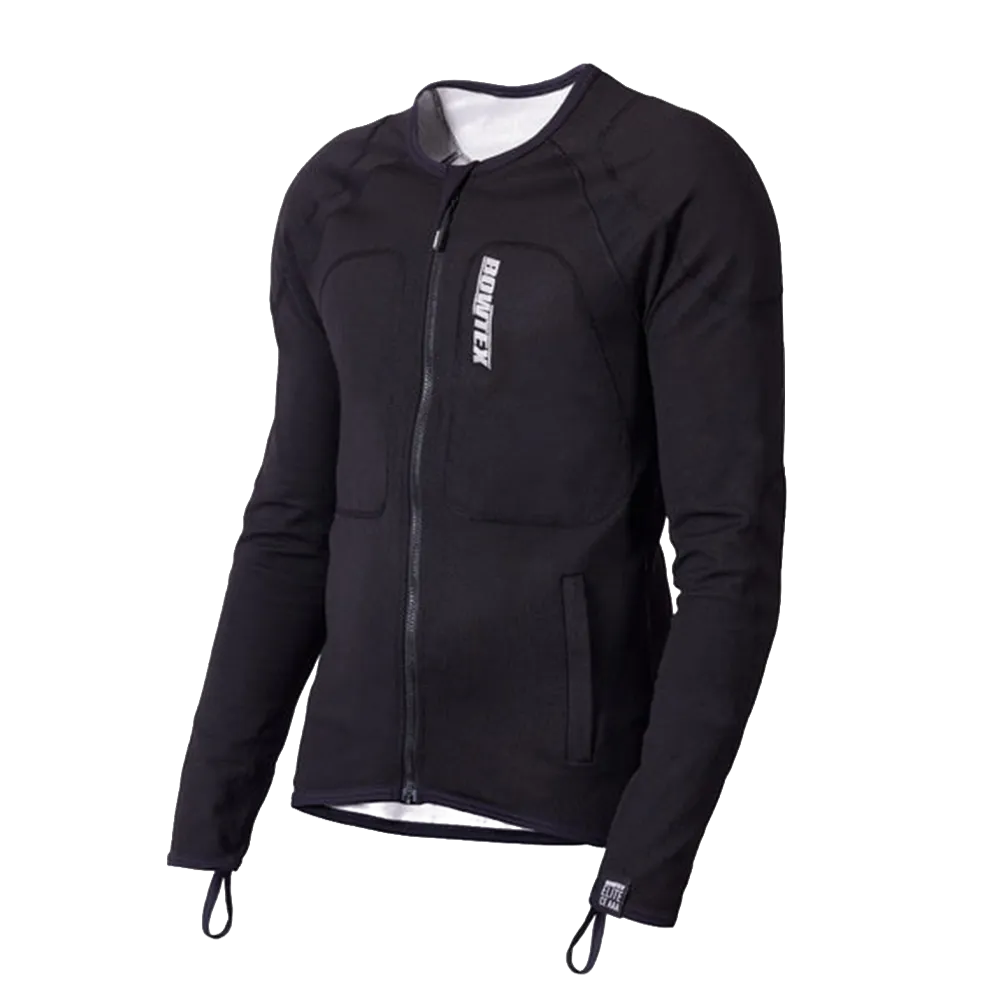
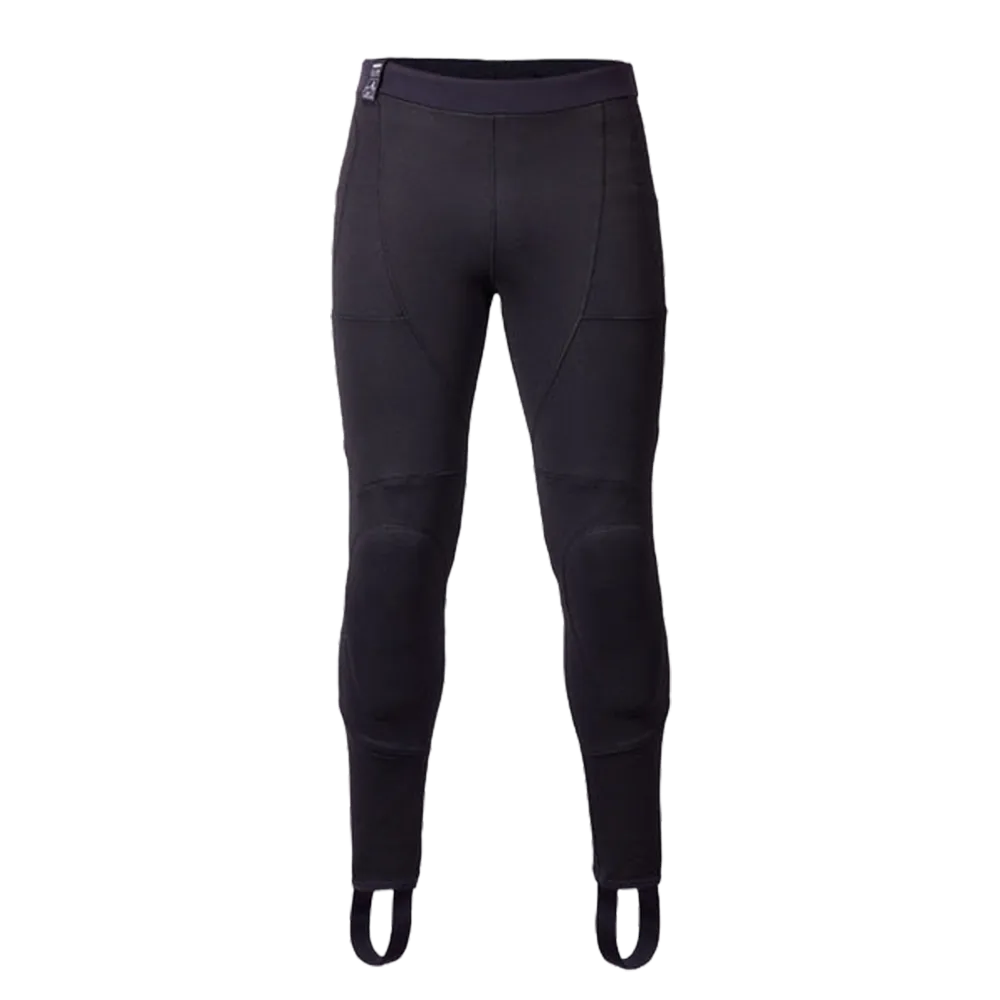
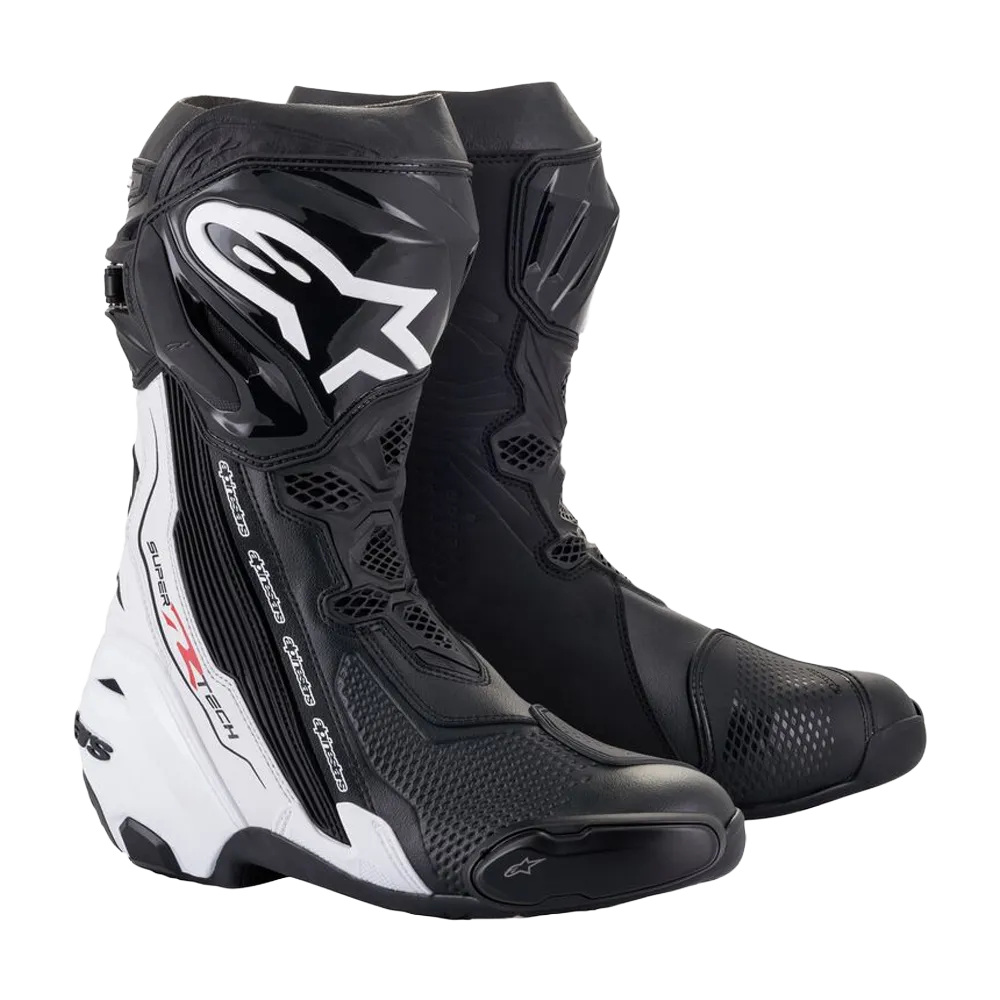
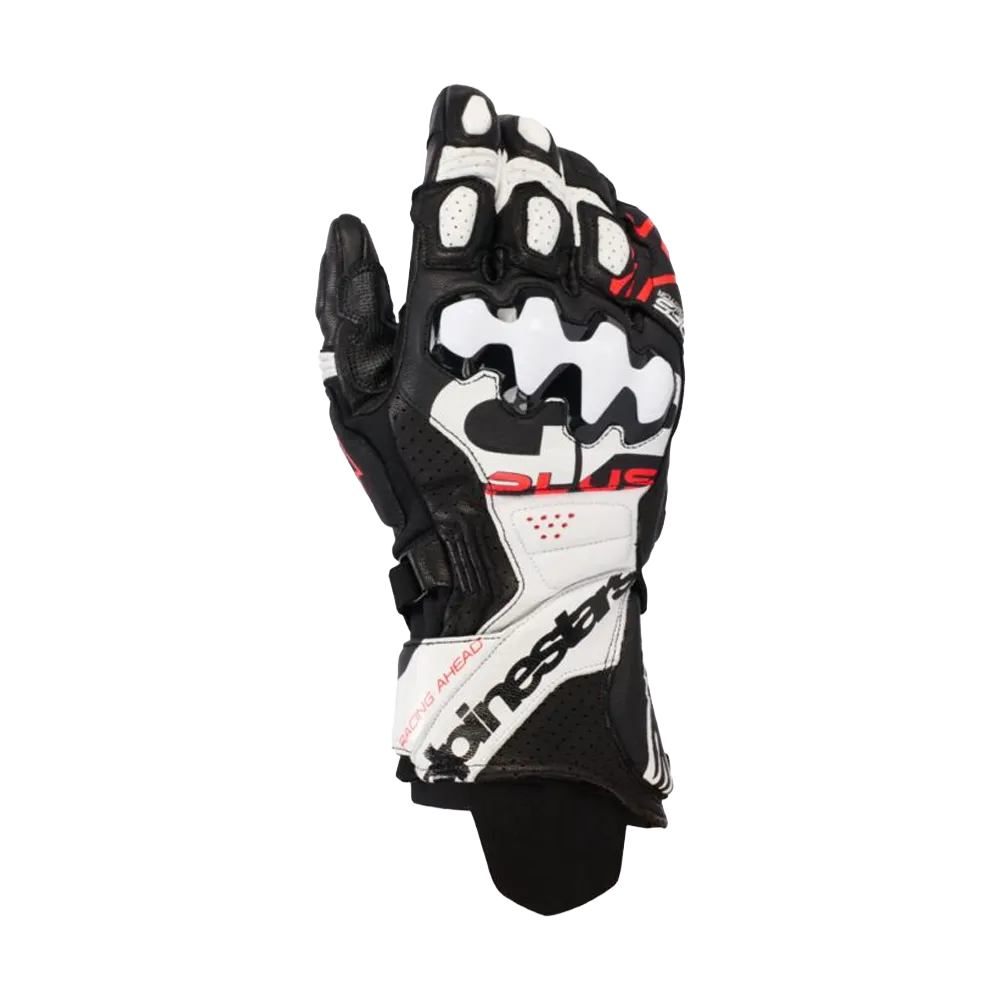
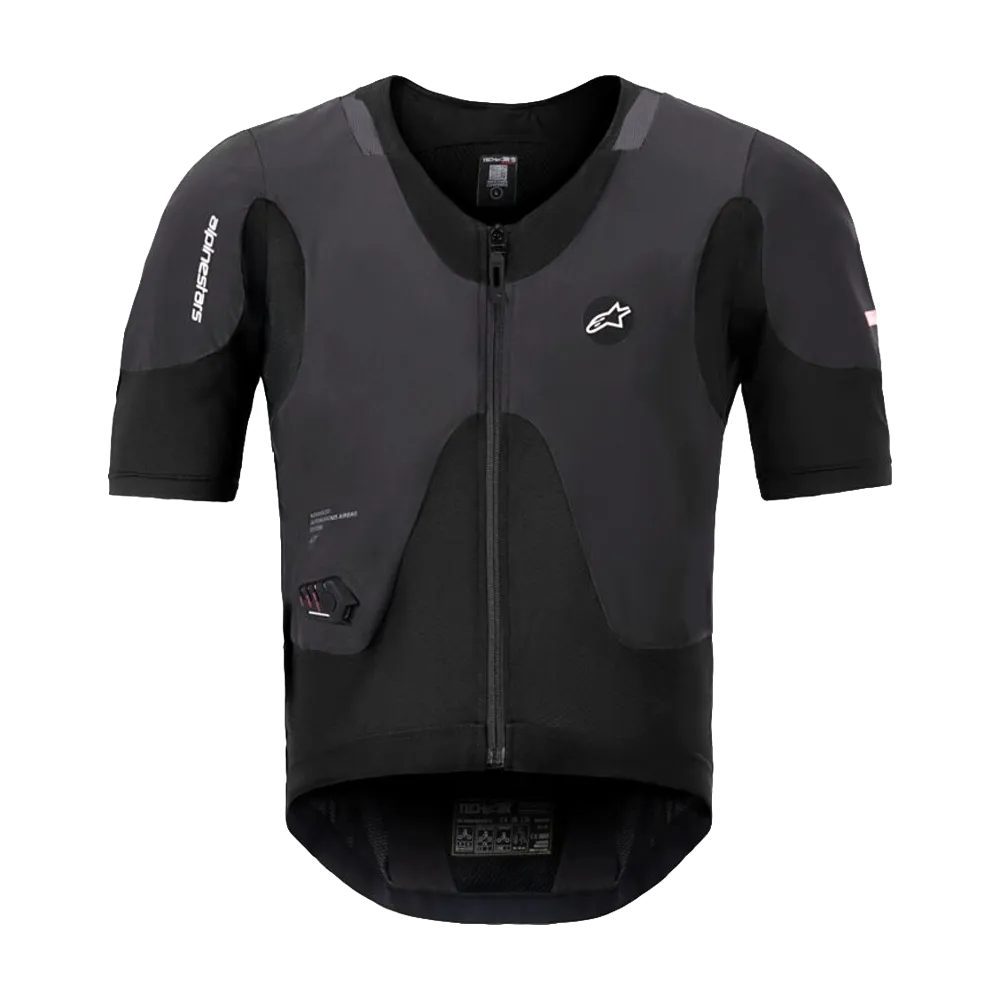
Gear from this ride