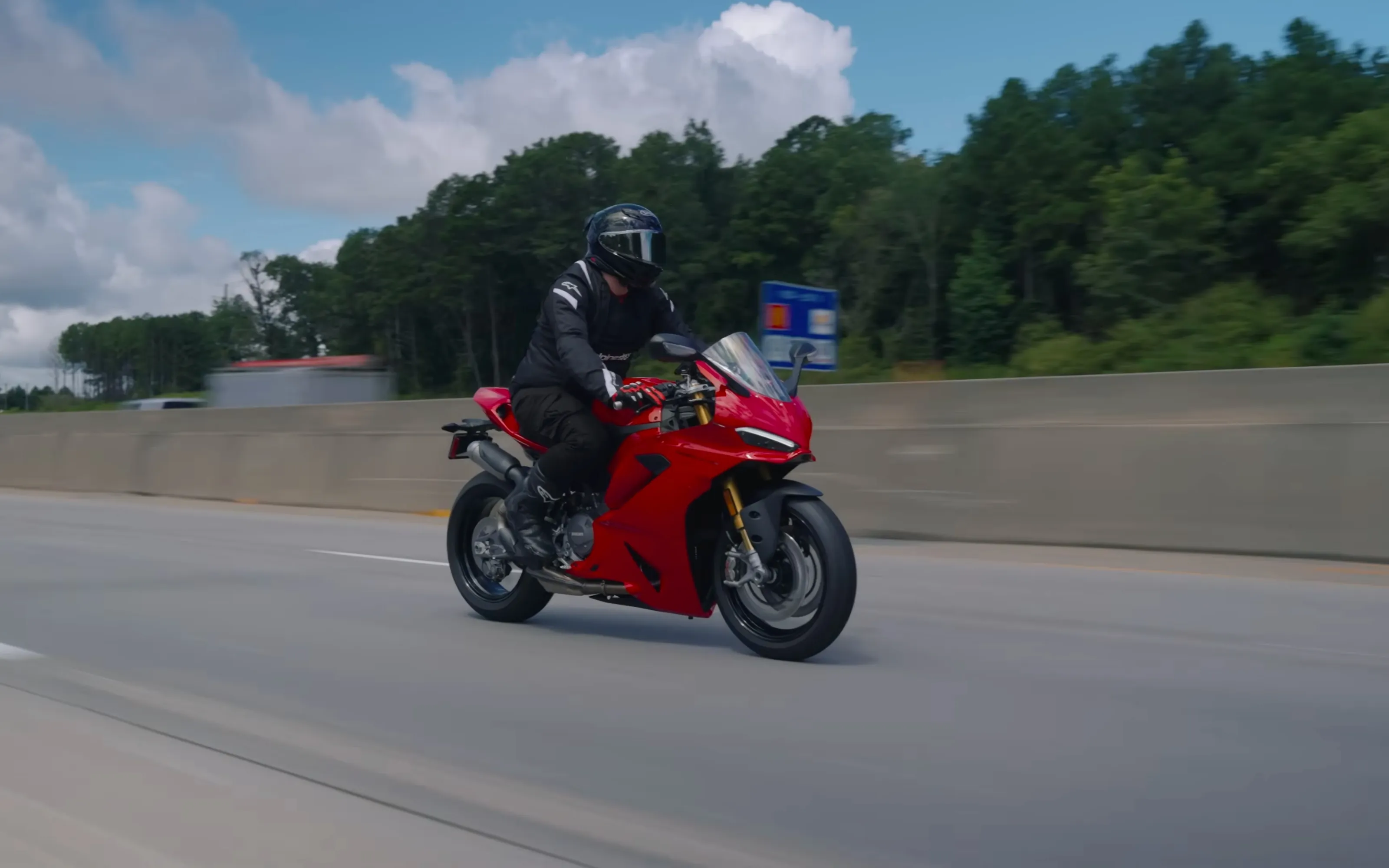
2025 Ducati Panigale V2S
The super-sport you can actually ride to the coffee shop — Ducati finally figured out how to make a Panigale that doesn't punish you.
The Good
- Brembo master cylinder + steel-braided lines + adjustable Öhlins — race-bike brake feel
- S trim's Marchesini lighter wheels change the cornering feel vs. base V2
- Upright-enough super-sport ergos make this rideable in the city
The Bad
- 890cc V-twin shakes the mirrors at low rpm (smooths out at speed)
- $18,995 MSRP + Ducati service costs keep fun-for-the-money low
- Cruise control is there but disabled during the 600-mile break-in
A Panigale That Won't Put You in a Chiropractor's Office
Ducati's Panigale lineup has always had one problem: the bike everyone wants to own is the one no one wants to ride in traffic. The V4 is a track weapon wearing street clothes. The original V2 wasn't far behind.
The 2025 V2S breaks that pattern. Chase's verdict, delivered calmly after the first ride: "If I was going to buy the V2S or the V4, I think I would buy the V2S. Truly." That's Chase, a hyper-naked fanboy who has ridden both Panigales on track, choosing the smaller, cheaper, less-aggressive bike. The reason isn't performance. It's that you can actually ride the V2S on a real road.
Performance highlights
890cc V-twin (yes, the same engine family as the Streetfighter and Multistrada V2), 120 horsepower, 68 lb-ft of torque, 392 lb wet. Throttle response scores a 9 because the V-twin's delivery is brutal off the bottom, "that V-twin hits instantly and feels alive when rolling on." In Sport mode the 40–80 roll-on in second gear was violent enough to make Chase check if he'd accidentally left it in Race.
Acceleration is 8. Not quite four-cylinder revvy, but the mid-range torque makes up for it on any road where you're not chasing an R1. Power is usable everywhere, which is half the point of dropping two cylinders.
Agility is 8 and the S trim earns that number. The S adds Marchesini lighter wheels on top of the already-sharp chassis, and the reduction in unsprung weight is noticeable. "The S model with those lighter wheels actually does make the bike a considerable amount more maneuverable on the street." Chase calls this out specifically as the reason to pay up for the S vs. the base V2.
Brakes earn their 9. Brembo master cylinder, Brembo calipers, steel-braided lines, the holy trinity of race-bike stopping. Initial pull is soft and precise, squeeze harder and the anchors drop. Under hard braking the chassis stays composed, Chase credits the race-tuned suspension for minimal fork dive.
Suspension (8) is adjustable Öhlins front and rear on the S. Firm by default, set for sport. Every Panigale buyer expects that. The surprise is how well-tuned it feels out of the box.
Closer Look
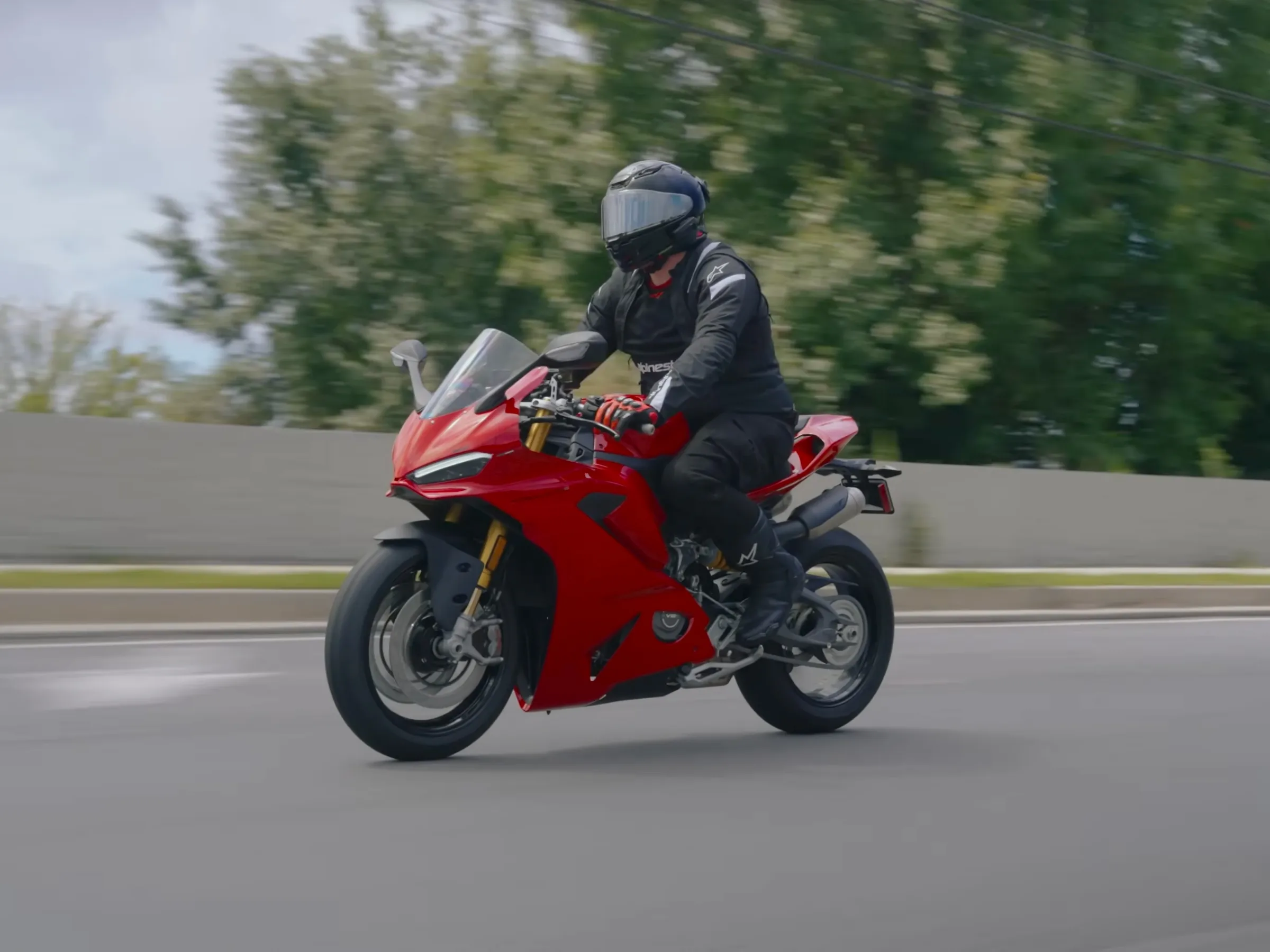
Swipe to explore.
If I was going to buy the V2S or the V4, I think I would buy the V2S. Truly.
Rider experience & tech
Comfort lands at 6 and it's better than you expect. The super-sport ergos (clip-ons, rear-sets, slightly forward lean) are real, but "I'm not leaned over quite as much as I came into this video expecting to be." Seat is firm but wide. If your comparison points are the V4 or an RSV4, this V2S feels almost civilized. Chase mentioned a bad back and said the body position didn't aggravate it. Meaningful for anyone who's avoided super-sports for that reason.
Heat management is the other concession. It's a Panigale, so it runs hot. Chase's on-board scale: "on a Panigale V4 scale, honestly, this thing's about an eight." So hot, but less hot than the bike that invented the problem.
Tech is the 9. The Ducati TFT dashboard remains Chase's favorite in the industry. Ride modes (Road, Wet, Sport, Race), cornering ABS, traction control with six levels, wheelie control, engine brake adjust, cruise control, pit limiter. The pre-ride menu even changes behavior based on whether the bike is moving. Mode selection is a quick cycle on the fly, full customization only when stopped.
Ease of use is 6. Controls are dense and take learning. The mode button is in an awkward spot. Chase's trick: "the easiest way for me to get to the mode button is my thumb coming up and around." Mirrors vibrate a lot at low rpm (the V-twin buzz settles at speed, but city stops are rough on rearview visibility).
Versatility is a 5. Honest. City: better than expected but still a super-sport. Highway: very good at speed, awkward in stop-go. Touring: no. Track: yes, and this is where the bike was built to live.
Fun-for-the-money is the 4 and it's the whole conversation around this bike. $18,995 plus Ducati service costs. You're paying flagship money for middleweight performance. The performance is real; the value math only works if the experience is what you want.
The Chase Score & final thoughts
With a Chase Score of 72/100, Good Tier, the Panigale V2S is the most approachable super-sport Ducati has ever built, and still absolutely a super-sport. 42 ride points + 30 usability points = a precision instrument that doesn't quite want to be a daily driver.
Buy it if you're choosing between this and a Panigale V4 and you actually ride on the street more than you track. Chase's on-camera pick is the V2S, every time. Buy the S trim for the Öhlins and the Marchesini wheels; don't bother with the base V2. Skip it if you want versatility from a single bike (look at the Multistrada V2S instead, same engine, different philosophy). Chase's closing thought about the new "streetable super-sport" category (R9, V2S): "It's a fascinating category that we're getting to have here in the motorcycle space." This is the Ducati-tuned answer.
The Chase Score Breakdown
Technical Specs
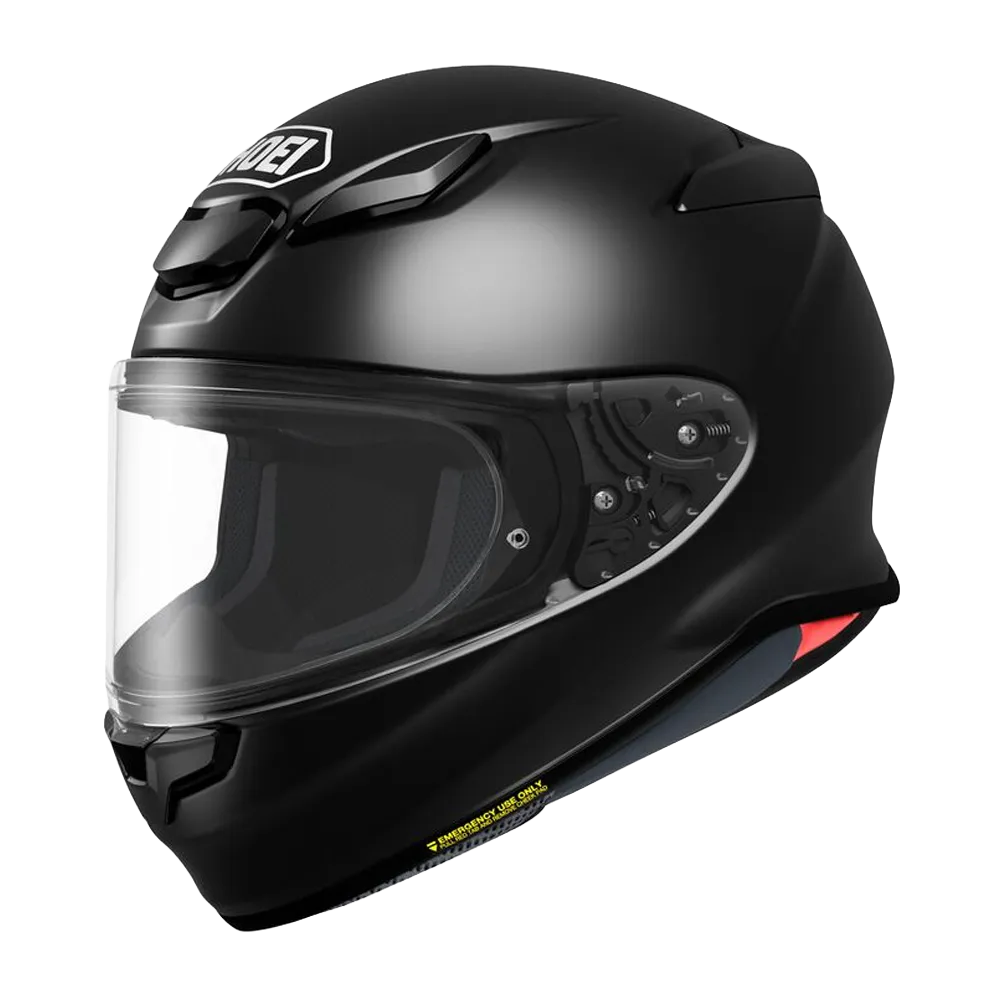
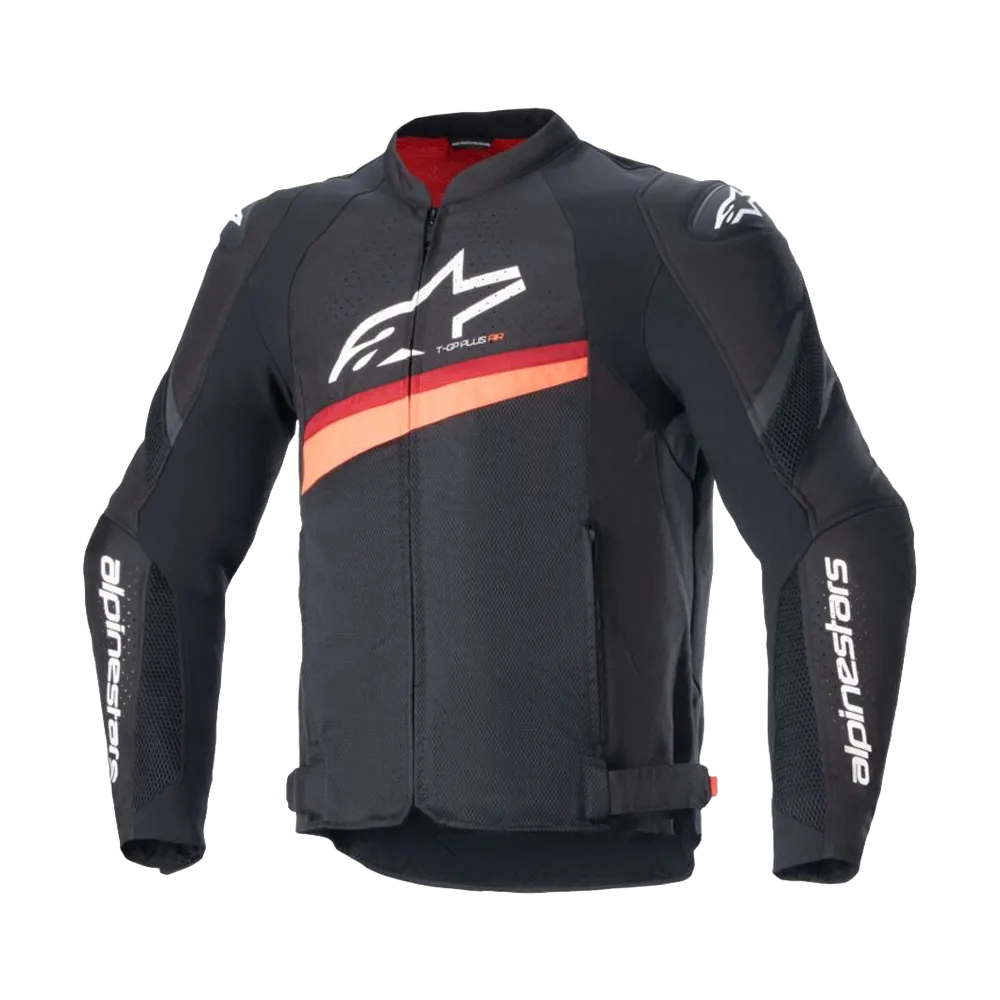
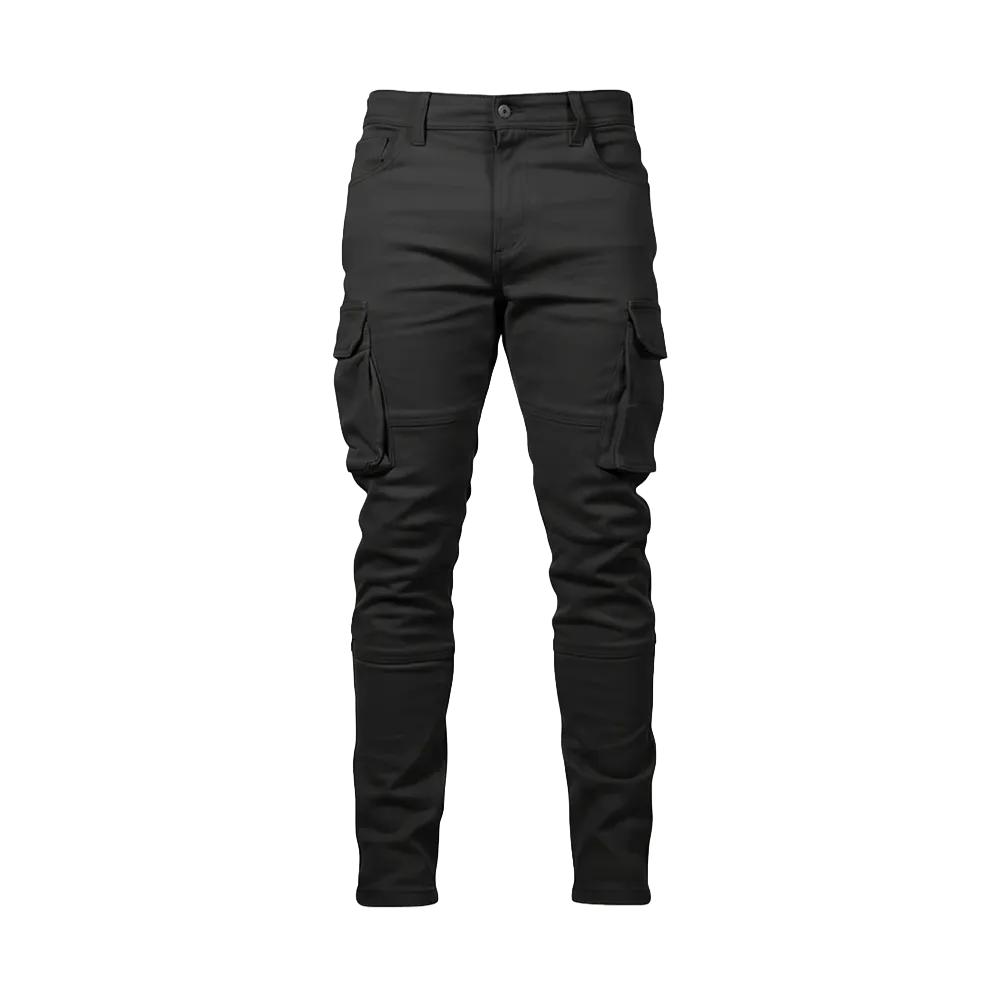
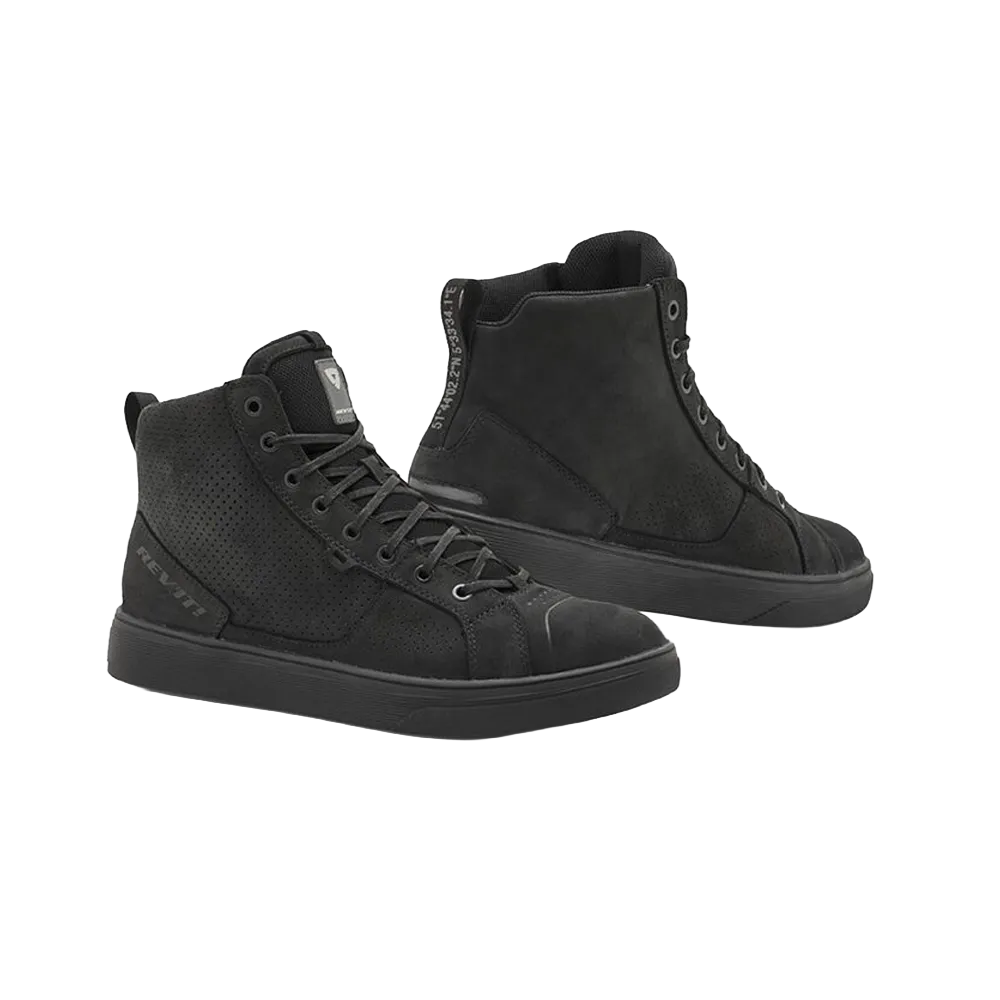
Gear from this ride