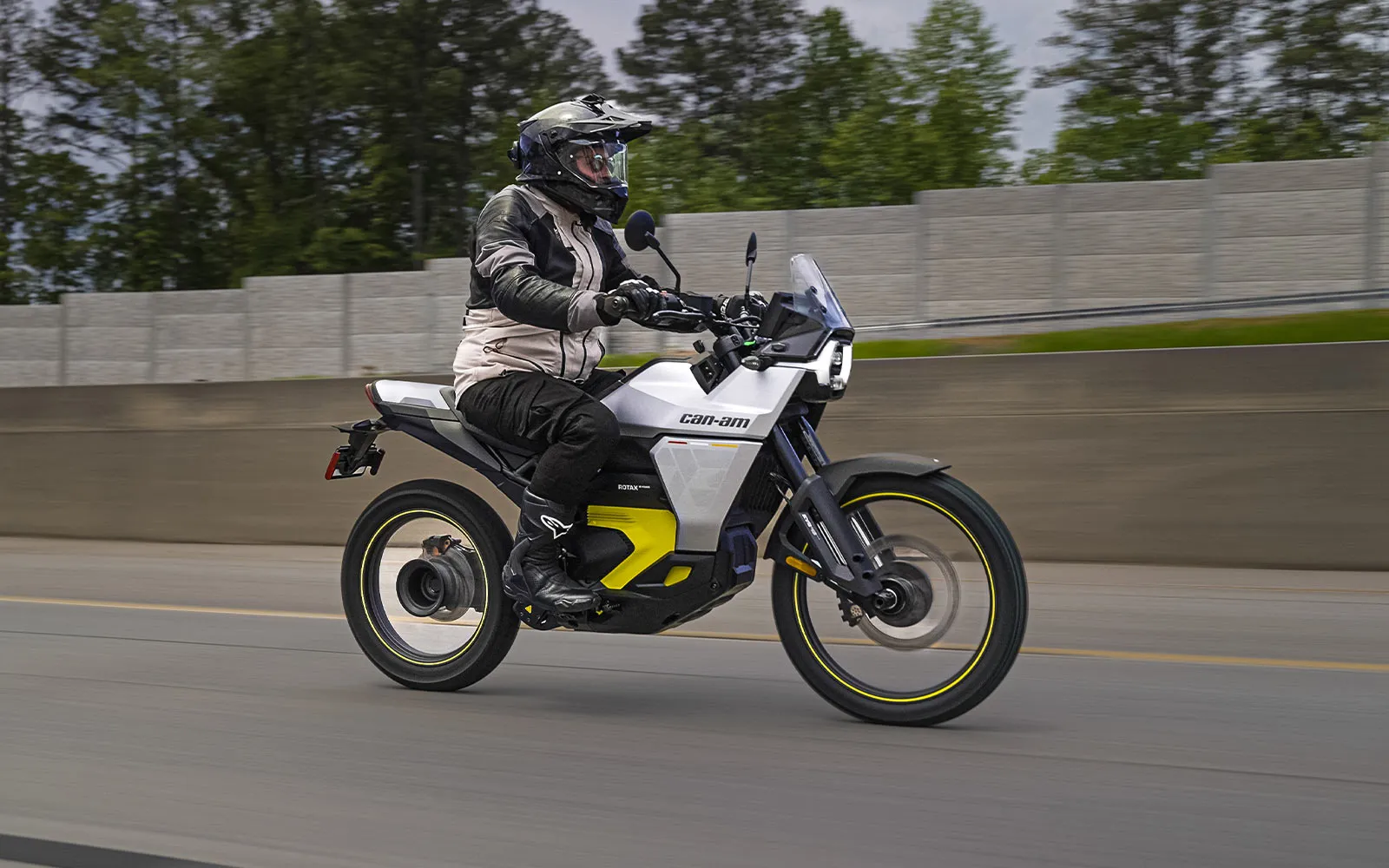
2025 Can-Am Origin
Can-Am's first two-wheeled vehicle is an electric dual-sport with a clever regen system, but an 80 mph cap that makes it hard to recommend in the US.
The Good
- Forward-throttle regen is genuinely clever. Twist back to go fast, twist forward to slow and charge
- 412 lb is light for an electric motorcycle (most electrics are 500 lb+)
- 10-inch touchscreen with Apple CarPlay is the best dashboard in the electric segment
The Bad
- 80 mph top speed cap makes US interstate travel legitimately dangerous
- Stock tires are aggressive knobbies. Street grip and braking confidence suffer
- $14,499 gets you a motorcycle without cruise control, adjustable front suspension, or enough range for touring
Can-Am Joins the Two-Wheel Game
Can-Am builds three-wheeled vehicles. That's been their whole brand for decades, the Spyder, the Ryker, the side-by-sides. 2025 marks their first real push into proper motorcycles, and they did it with a pair of electrics: the Pulse (street) and the Origin (this bike, dual-sport). That's a genuinely interesting strategic choice. Rather than fight Harley and Honda on ICE terms, Can-Am jumped straight into the segment most legacy manufacturers are afraid of.
The Origin, specifically, is their dual-sport attempt: tall, light (412 lb is impressive for electric), with knobby tires and off-road styling. At $14,499, it's priced where a Zero FX, a KTM 500 EXC, or a Husqvarna TE300 lives. Chase's first reaction: genuinely intrigued, but with reservations. "Can-Am is coming out of the gate with a very interesting vehicle here. I cannot see myself buying this thing right now."
Performance highlights
Electric powertrain, 47 horsepower, 53 lb-ft of torque, 412 lb wet, 34" seat height. Throttle response scores 6, "smooth and comfortable, with some zip if you put it in sport mode, but it's a little tamer than I think a lot of people are going to expect for an electric bike." This isn't the typical Zero-style "punch you in the chest" electric delivery. Can-Am has calibrated a much more measured power curve, which makes the Origin beginner-friendlier at the cost of the traditional EV drama.
Acceleration earns 5 and is the category this bike genuinely struggles in. Top speed is capped at 80 mph. Chase's 40-80 pull became a "40-79" pull because the motor electronically limits at 80. "I'm going to act as the referee and I'm going to say when it got to 79, that was the 40-80 pull." Power also dies off noticeably past 50 mph even in Sport mode. On any US interstate, this bike is going to be a rolling chicane.
Agility is 6. 412 lb is light for an electric, which is genuinely a positive. Most electrics are 500+. The knobby tires sacrifice on-road grip, so Chase noted mid-ride wiggles he'd blame on the tires, not the chassis. Street tires would move this to a 7 easily.
Brakes rate the painful 4. Jesuan-style calipers with weak bite. "I'm just not getting a ton of brake force." The saving grace is the forward-throttle-regen system: rolling the throttle forward (opposite of normal) activates electric regen braking AND the rear brake. Used together, stopping is fine. Used separately, the front brakes alone are a weak point.
Suspension is 6. KYB front and rear, non-adjustable front, preload-adjustable rear. Comfortable for street and light dirt. For a $14,499 dual-sport, the non-adjustable front is genuinely disappointing. Any KTM/Husky in this price range ships with fully adjustable suspension.
Closer Look
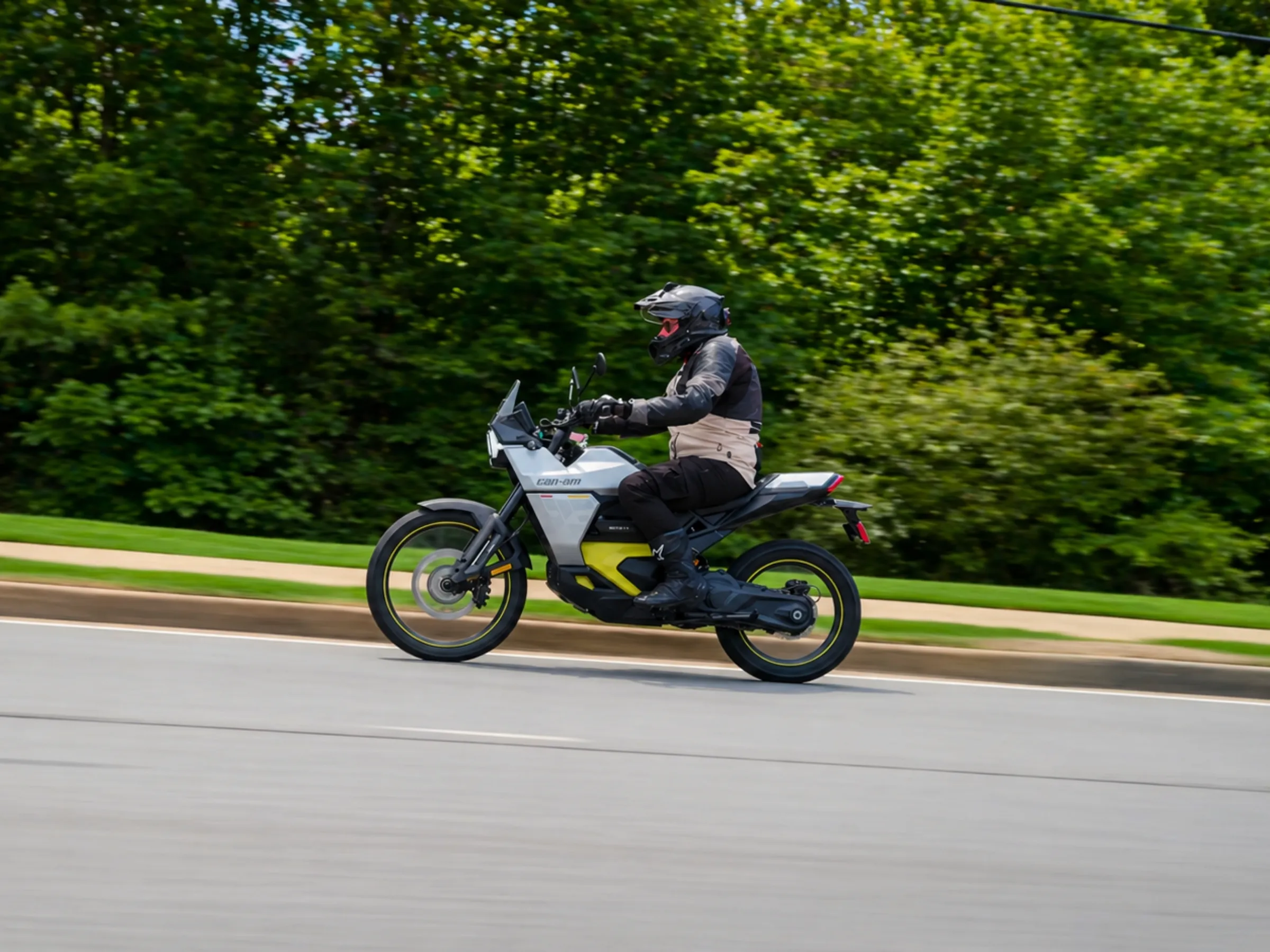
Swipe to explore.
Throttle back to go fast and throttle forward to slow it down. That is really neat and I feel like should be the standard for all electric motorcycles.
Rider experience & tech
Comfort is 6. The seat is thinner than it looks but well-padded. Upright body position, bars in a neutral position, 34" seat height that Chase just barely flat-footed at 5'10" / 32" inseam. The issue is stability at speed, 412 lb plus thin knobby tires means wind gusts move the bike around noticeably. "The bike just doesn't have enough mass to really help fight the elements."
Tech scores 6 and the 10-inch touchscreen is the standout. Wireless Apple CarPlay built in. Digital lean angle, regen meter, power graph, range display. The matte anti-reflective coating works well. And the headline feature: forward-throttle regen as an intuitive user input. Chase called it out as something that "should be the standard for all electric motorcycles." Six ride modes: Eco, Rain, Normal, Sport, Off-Road, Off-Road+. What's missing: cruise control. On a bike Can-Am markets with luggage mount points (implying touring intent), that's a puzzling omission.
Ease of use is 6. No clutch, no gears, no stall-anxiety. The ride modes are easy to cycle through. But the left-cluster button density is high, and the touchscreen UI Chase found "a bit clunky" on first exposure. Real owners would learn it; for a first-time electric rider, it's steeper than a Zero SR.
Versatility is 6. City: excellent (battery range is best at low speeds. Can-Am claims 90 miles of city range). Highway: barely workable given the 80 mph cap. Light off-road: yes, and this is probably the intended mission. Touring: not with 52 miles of highway range. Commute: good if your commute is <30 miles one-way, non-interstate.
Fun-for-the-money is 6. $14,499 for an electric dual-sport is priced fairly against Zero FX. Chase flagged it as 3/10 in the video based on his personal disappointment with the 80 mph cap and the missing features; frontmatter honors the xlsx average. Either reading, the Origin is priced in a competitive-but-not-cheap range.
The Chase Score & final thoughts
With a Chase Score of 57/100, Meh Tier, the Origin is a first-generation product that does one thing genuinely brilliantly (forward-throttle regen) and several things worse than the segment's established competitors. 27 ride points + 30 usability points = a balanced-but-unexciting debut from a brand that's new to two wheels.
Buy it if you want an electric dual-sport that's lighter than a Zero FX, if your commute is under 30 miles non-highway, or if you specifically want Apple CarPlay on a motorcycle. Skip it if you need highway interstate capability, if $14,499 feels steep for a first-gen product without cruise control or adjustable front suspension, or if a Zero FX at similar money covers your needs. Chase's close: "I think Can-Am is on to something, but I kind of want them to keep. I want to see a couple more iterations of this before I think it's like 'oh man, you guys got to grab this thing.'" Fair read. Version 2 could be a great product. Version 1 is interesting.
The Chase Score Breakdown
Technical Specs
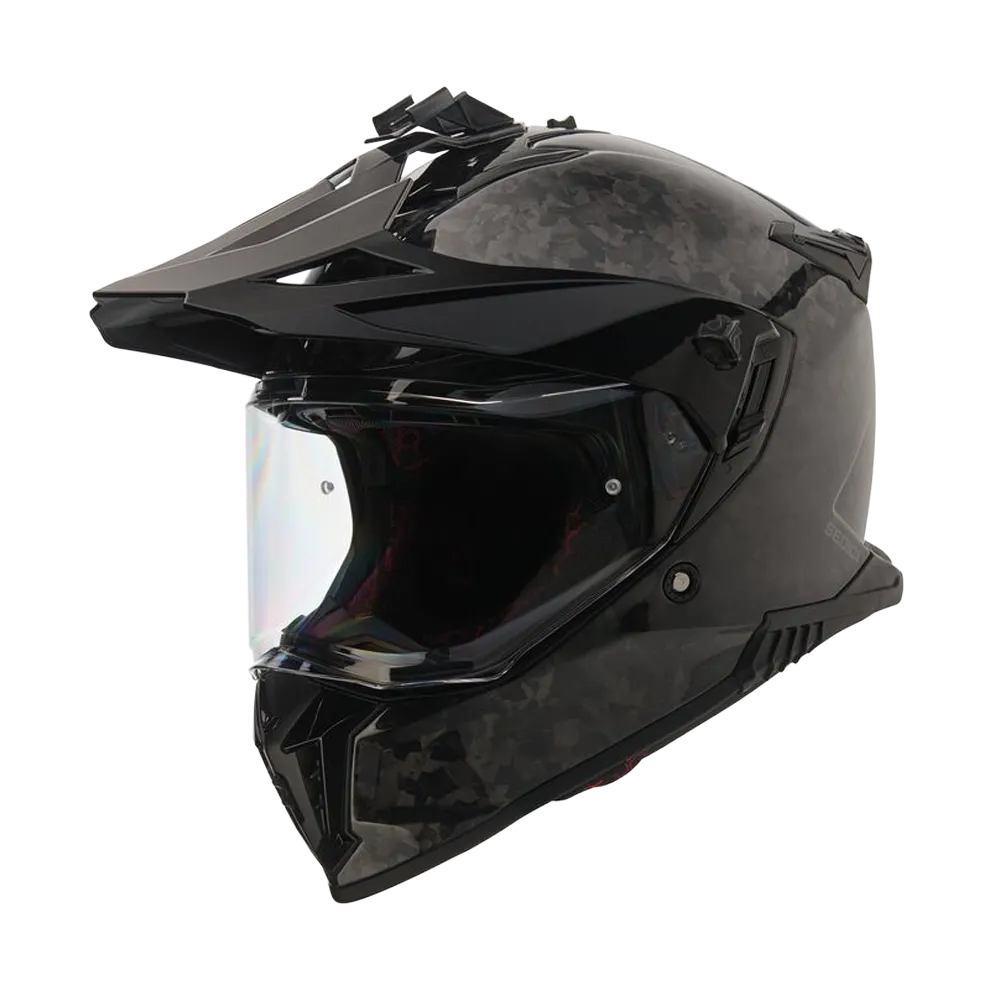
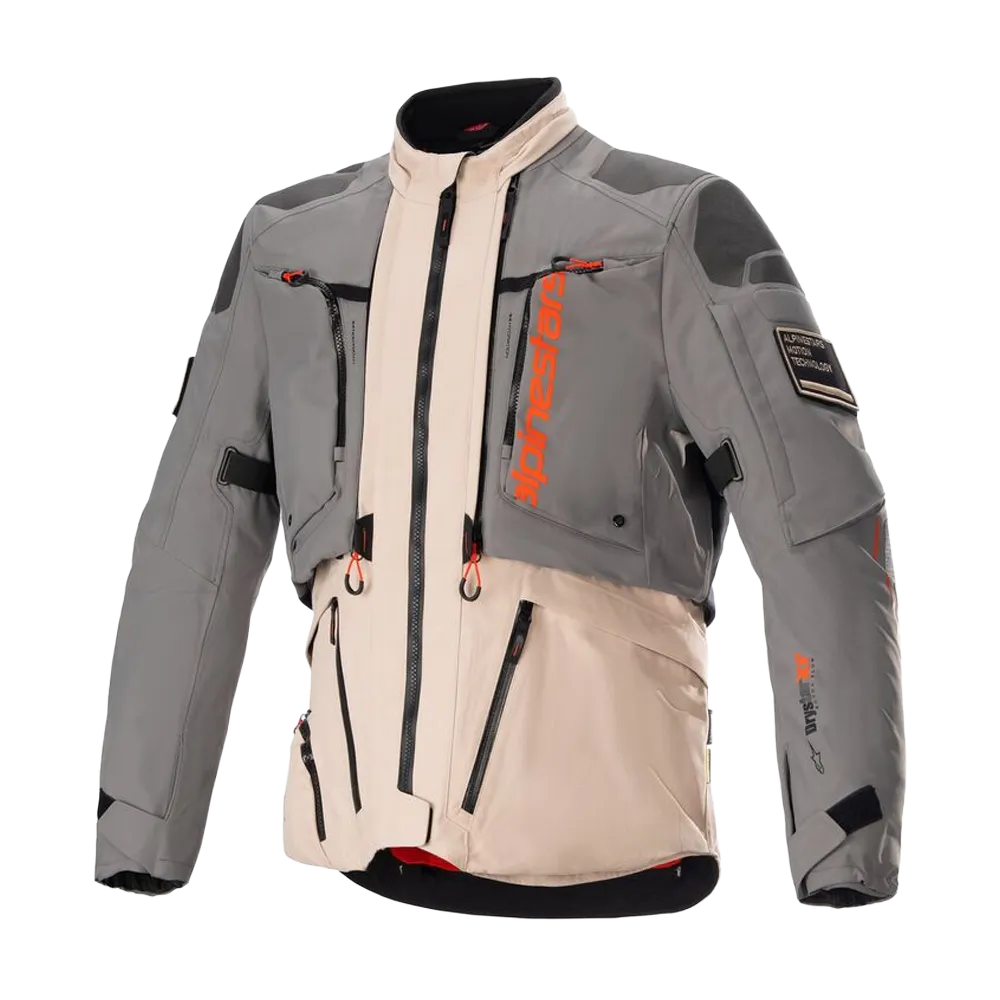
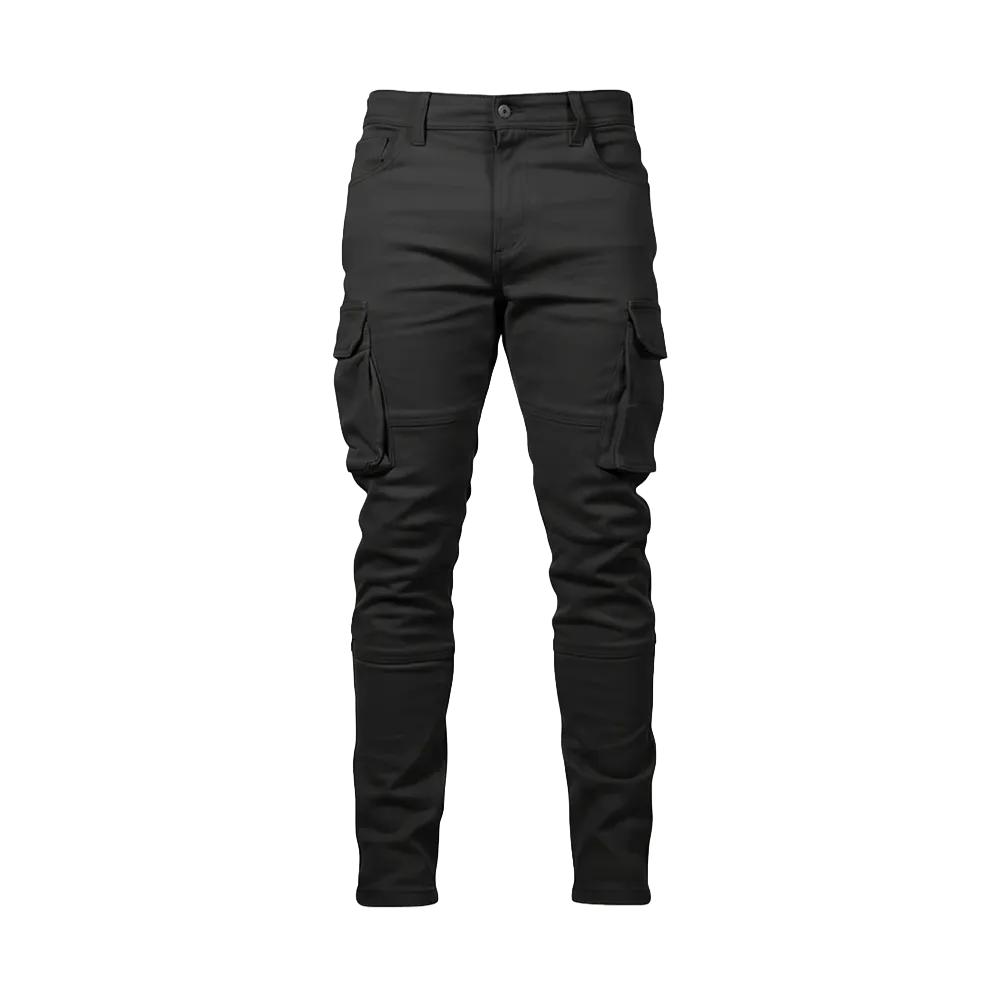
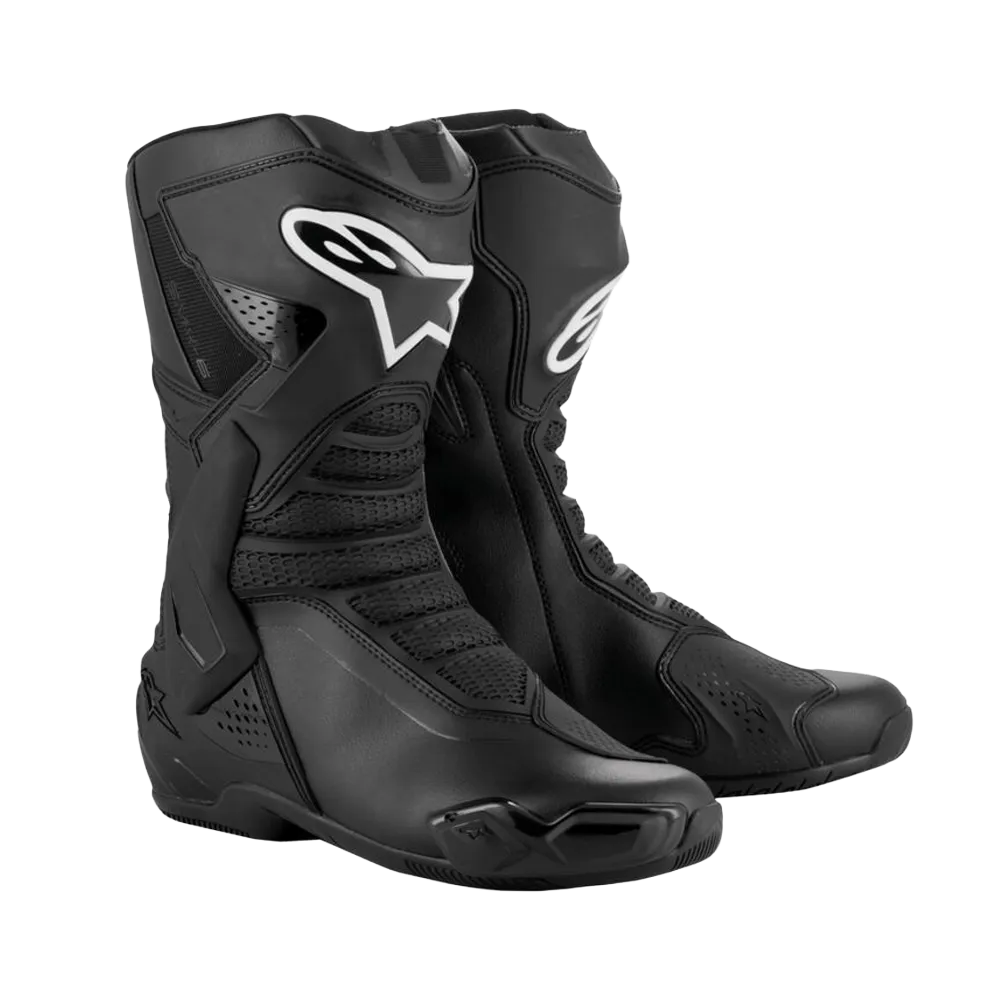
Gear from this ride